The 2026 Guide to Ethical Fashion Brands: US Leaders in Sustainability
Advertisement
The 2026 Guide to Ethical Fashion Brands: 5 US Companies Leading the Way in Sustainable Apparel highlights pioneering American businesses. These brands redefine industry standards through innovative practices. They champion environmental stewardship and fair labor.
The 2026 Guide to Ethical Fashion Brands: 5 US Companies Leading the Way in Sustainable Apparel
The fashion industry continues its profound transformation towards sustainability and ethics in 2026.
Consumers are increasingly demanding transparency and responsibility from their favorite brands.
This shift has propelled several US companies to the forefront of the ethical and sustainable apparel movement.
Advertisement
The 2026 Guide to Ethical Fashion Brands: 5 US Companies Leading the Way in Sustainable Apparel offers a detailed look into these innovators.
These companies are not merely adopting sustainable practices; they are embedding them into their core business models.
They are setting new benchmarks for environmental protection, fair labor, and community engagement within the fashion sector.
Advertisement
The Evolution of Ethical Fashion in the US Landscape
The US market for ethical fashion has matured significantly over the past few years, driven by consumer awareness.
Brands now face increased scrutiny regarding their supply chains and environmental footprint.
This growing demand has fostered a competitive environment for genuinely sustainable apparel.
The 2026 Guide to Ethical Fashion Brands: 5 US Companies Leading the Way in Sustainable Apparel showcases those who excel.
Defining Ethical and Sustainable Apparel
Ethical apparel encompasses fair labor practices, safe working conditions, and living wages for all garment workers.
Sustainable apparel focuses on minimizing environmental impact throughout the product lifecycle.
This includes sourcing eco-friendly materials, reducing waste, and conserving water and energy.
Key Principles Guiding US Ethical Brands
Transparency is paramount, allowing consumers to trace products from raw material to finished garment.
Innovation in materials and production processes drives down the ecological footprint.
Circular economy principles are increasingly integrated, promoting recycling and reuse.
- Fair wages and safe working conditions are non-negotiable standards.
- Reduced carbon emissions and water usage are critical environmental goals.
- Use of organic, recycled, or upcycled materials is a common practice.
- Community engagement and social responsibility extend beyond the factory floor.
Patagonia: A Pioneer in Sustainable Outdoor Wear
Patagonia has long been synonymous with environmental activism and high-quality outdoor gear.
Their commitment to sustainability is deeply ingrained in every aspect of their operations.
They continue to set the bar high for other companies featured in The 2026 Guide to Ethical Fashion Brands: 5 US Companies Leading the Way in Sustainable Apparel.
Their practices include using recycled materials, organic cotton, and advocating for environmental causes.
Innovative Material Sourcing and Production
Patagonia actively invests in research and development for new sustainable fabrics and manufacturing techniques.
Their Worn Wear program encourages repair and reuse, extending product life and reducing waste.
This commitment to durability and repairability is a cornerstone of their ethical approach.
Advocacy and Corporate Responsibility
Patagonia donates 1% of its sales to environmental preservation and restoration efforts.
They are a certified B Corporation, meeting rigorous standards of social and environmental performance.
Their outspoken advocacy for public lands and environmental policies further solidifies their ethical stance.
Eileen Fisher: Timeless Design with Sustainable Practices
Eileen Fisher has built a reputation for elegant, comfortable clothing made with a conscience.
The brand emphasizes timeless design, encouraging longevity and reducing fast fashion consumption.
Their inclusion in The 2026 Guide to Ethical Fashion Brands: 5 US Companies Leading the Way in Sustainable Apparel is well-deserved.
They focus on organic fibers, responsible dyes, and a circular design philosophy.
Commitment to Organic and Recycled Materials
Eileen Fisher sources organic cotton, linen, and wool, ensuring ecological farming practices.
They utilize recycled cashmere and polyester, transforming waste into luxurious new garments.
Their goal is to make all products circular, designed to be worn, returned, and remade.
Supply Chain Transparency and Worker Welfare
The company maintains strong relationships with its suppliers, ensuring fair labor conditions and wages.
They conduct regular audits to verify compliance with their strict ethical standards.
This dedication to ethical production makes them a leader among ethical fashion brands US.
Reformation: Sustainable Fashion for the Modern Consumer
Reformation has quickly become a favorite among fashion-conscious consumers seeking sustainable options.
The brand offers trendy, feminine designs with a strong commitment to environmental responsibility.
Their innovative approach to sustainability earns them a spot in The 2026 Guide to Ethical Fashion Brands: 5 US Companies Leading the Way in Sustainable Apparel.
They provide detailed impact reports for each garment, showcasing their carbon and water savings.
Measuring and Reducing Environmental Impact
Reformation meticulously tracks its environmental footprint, from fiber sourcing to garment production.
They prioritize materials like TENCEL Lyocell, recycled content, and deadstock fabrics to minimize waste.
Their factories in Los Angeles adhere to strict environmental standards, reducing water and energy consumption.
Fair Labor Practices and Community Engagement
The brand ensures fair wages and safe working conditions for all employees in their US factories.
They invest in their workforce through training and development programs.
This holistic approach to ethics and sustainability distinguishes Reformation in the market.
Outerknown: Blending Style with Ocean Conservation
Founded by surfer Kelly Slater, Outerknown champions sustainability with a focus on ocean health.
Their casual, comfortable apparel is made with a deep respect for both people and the planet.
Outerknown is an essential entry in The 2026 Guide to Ethical Fashion Brands: 5 US Companies Leading the Way in Sustainable Apparel.
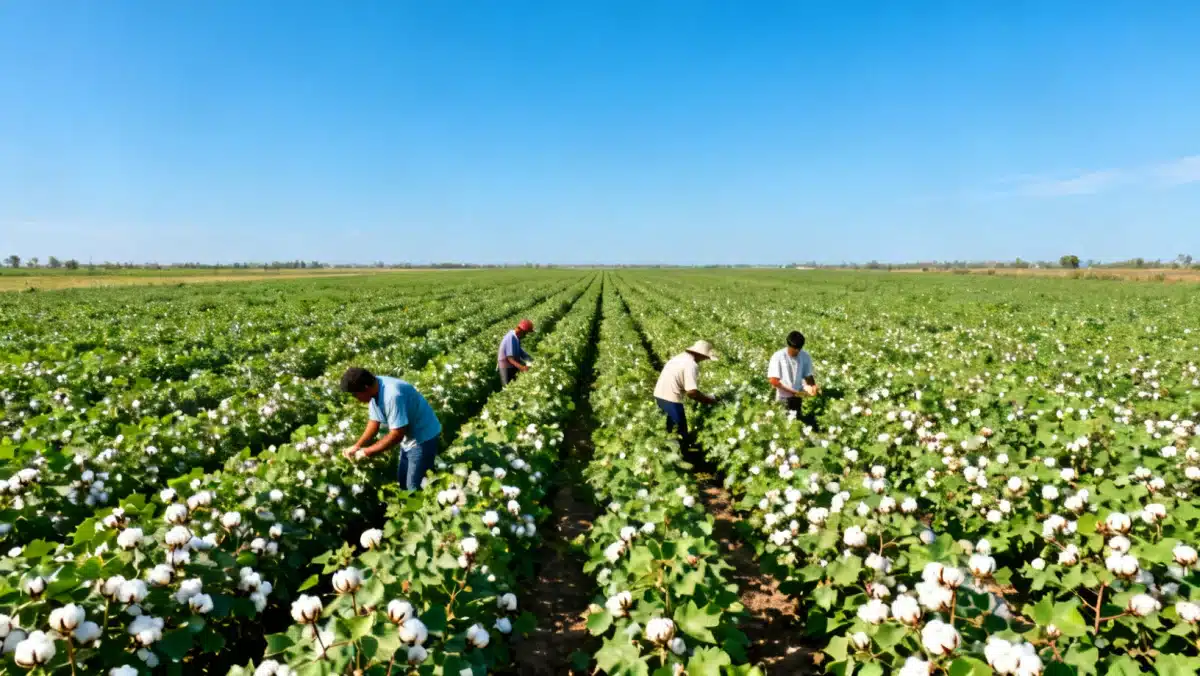
They utilize materials like organic cotton, hemp, and ECONYL regenerated nylon.
Sustainable Materials and Production Methods
Outerknown actively seeks out innovative, low-impact materials for their entire product line.
Their supply chain is rigorously vetted to ensure fair labor practices and environmental responsibility.
They are committed to circularity, designing products that can be recycled or composted.
Fair Trade Certification and Advocacy
Many of Outerknown’s products are Fair Trade Certified, ensuring fair wages and community development.
They actively support initiatives for ocean conservation and sustainable fishing practices.
Their dedication to both social and environmental causes makes them a standout ethical fashion brand US.
Amour Vert: Parisian Chic Meets Californian Sustainability
Amour Vert, meaning ‘green love’ in French, offers sophisticated and eco-friendly women’s apparel.
The brand focuses on local production, sustainable materials, and minimizing waste.
They are a key player in The 2026 Guide to Ethical Fashion Brands: 5 US Companies Leading the Way in Sustainable Apparel.
Their commitment to sustainability extends to planting a tree for every T-shirt purchased.
Local Production and Sustainable Fabrics
Amour Vert manufactures 97% of its products in limited quantities in California, reducing transport emissions.
They use innovative eco-friendly fabrics such as TENCEL Modal, organic cotton, and ethical silk.
Their careful material selection ensures both quality and minimal environmental impact.
Waste Reduction and Reforestation Initiatives
The brand employs a ‘zero-waste’ philosophy, utilizing deadstock fabrics and optimizing pattern cutting.
Their partnership with American Forests has resulted in millions of trees planted across North America.
This dual focus on local production and environmental restoration defines their ethical stance.
Looking Ahead: The Future of Ethical Fashion in the US
The landscape of ethical fashion continues to evolve, with new challenges and opportunities emerging.
Increased consumer education and technological advancements will further shape the industry.
The companies highlighted in The 2026 Guide to Ethical Fashion Brands: 5 US Companies Leading the Way in Sustainable Apparel are paving the way.
Their leadership inspires others to adopt more responsible business practices.
Emerging Trends in Sustainable Apparel
Digital product passports are becoming standard, offering unprecedented supply chain transparency.
Regenerative agriculture practices are gaining traction for raw material sourcing.
Biotechnology is introducing new, sustainable fibers with enhanced performance characteristics.
Policy and Consumer Influence
Government regulations are likely to become more stringent, pushing brands towards greater accountability.
Consumer demand for verifiable sustainability claims will continue to drive market changes.
The collective power of conscious purchasing decisions is undeniably shaping the future of fashion.
Impact and Implications
The companies featured in The 2026 Guide to Ethical Fashion Brands: 5 US Companies Leading the Way in Sustainable Apparel demonstrate that profitability and responsibility are not mutually exclusive. Their commitment to environmental stewardship and social equity sets a powerful precedent for the entire industry. As awareness grows, more consumers will prioritize brands that align with their values, fostering a healthier planet and fairer society. These pioneers show what is possible when ethical principles guide business decisions, impacting global supply chains and consumer behavior for the better. The ongoing developments in sustainable materials and circular economy models promise an even greener future for US fashion.