The Evolution of Athleisure 2026: 5 Key Trends for Comfort and Style
Advertisement
The Evolution of Athleisure 2026: 5 Key Trends for Comfort and Style in US Everyday Wear
The Evolution of Athleisure 2026: 5 Key Trends for Comfort and Style in US everyday wear is reshaping fashion. This dynamic market blends activewear with daily comfort, highlighting innovation and sustainability. Understand the shifts driving consumer choices.
The Evolution of Athleisure 2026: 5 Key Trends for Comfort and Style in US Everyday Wear continues to redefine contemporary fashion. This dynamic sector seamlessly merges athletic wear with daily casual clothing.
Consumers prioritize versatility, seeking garments that transition effortlessly from workouts to social engagements. This ongoing transformation reflects a sustained demand for both functionality and aesthetic appeal in modern wardrobes.
The market is experiencing significant shifts driven by technological advancements and changing lifestyle priorities. These trends are not merely fleeting fads but represent a fundamental reorientation of consumer expectations.
The Rise of Performance-Driven Fabrics in Athleisure 2026
The athleisure market is increasingly dominated by innovative textile technologies. These fabrics offer enhanced breathability, moisture-wicking properties, and superior stretch. Such advancements are crucial for garments designed for diverse activities.
Advertisement
Consumers expect more from their clothing than just appearance; performance is paramount. This focus on technical textiles supports the continued growth and sophistication of athleisure. The Evolution of Athleisure 2026: 5 Key Trends for Comfort and Style in US Everyday Wear underscores this material revolution.
Brands are investing heavily in research and development to create materials that provide both comfort and durability. This commitment ensures that athleisure wear can withstand rigorous use while maintaining its aesthetic integrity.
Advanced Material Science Driving Innovation
Material science is at the forefront of athleisure innovation, introducing fabrics that adapt to various environmental conditions. These materials are engineered to regulate body temperature and provide optimal support.
Advertisement
The integration of smart textiles is also gaining traction, offering features like UV protection and antimicrobial properties. This elevates the functionality of everyday wear, blending science with style.
Sustainable Sourcing and Production
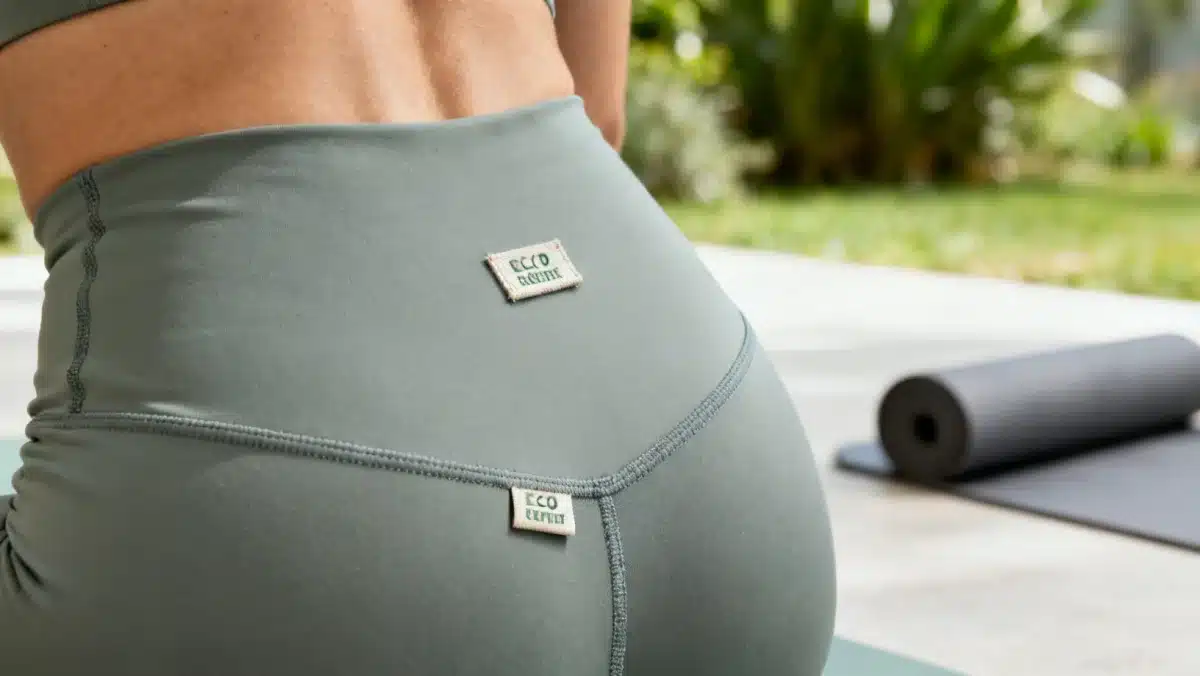
Sustainability has become a non-negotiable aspect of fabric development. Brands are increasingly utilizing recycled polyester, organic cotton, and biodegradable fibers. This shift aligns with growing consumer environmental consciousness.
Production processes are also being optimized to reduce water and energy consumption. Transparency in the supply chain is vital, allowing consumers to make informed choices about their purchases.
- Recycled and upcycled materials are becoming standard.
- Eco-friendly dyes and minimal waste manufacturing are prioritized.
- Certifications like GOTS and Oeko-Tex are gaining prominence.
- Brands are investing in circular economy models for textile reuse.
Seamless Integration of Technology and Smart Wear
Technology’s role in athleisure extends beyond fabric innovation, encompassing smart garments and wearable tech. These integrations enhance user experience by providing real-time data and personalized insights. This represents a significant aspect of The Evolution of Athleisure 2026: 5 Key Trends for Comfort and Style in US Everyday Wear.
Wearable sensors embedded in clothing can monitor heart rate, activity levels, and even posture. This convergence of fashion and technology offers practical benefits for health and wellness enthusiasts.
The data collected helps users optimize their routines and make informed decisions about their physical activity. This seamless integration makes athleisure not just clothing but a tool for a better lifestyle.
Wearable Sensors and Biometric Monitoring
Smart athleisure garments are now capable of tracking a wide range of biometric data. These sensors are discreetly integrated, maintaining the aesthetic appeal of the clothing.
The information gathered can be synced with smartphone applications, offering comprehensive health tracking. This personalized approach empowers individuals to take control of their well-being.
Connectivity and Interactive Features
Beyond data collection, some athleisure items offer interactive features, such as haptic feedback for guided workouts. Others incorporate connectivity for seamless communication.
This level of integration transforms clothing into an active participant in daily life. The Evolution of Athleisure 2026: 5 Key Trends for Comfort and Style in US Everyday Wear continues to push these technological boundaries.
The Blurring Lines Between Casual, Formal, and Active Wear
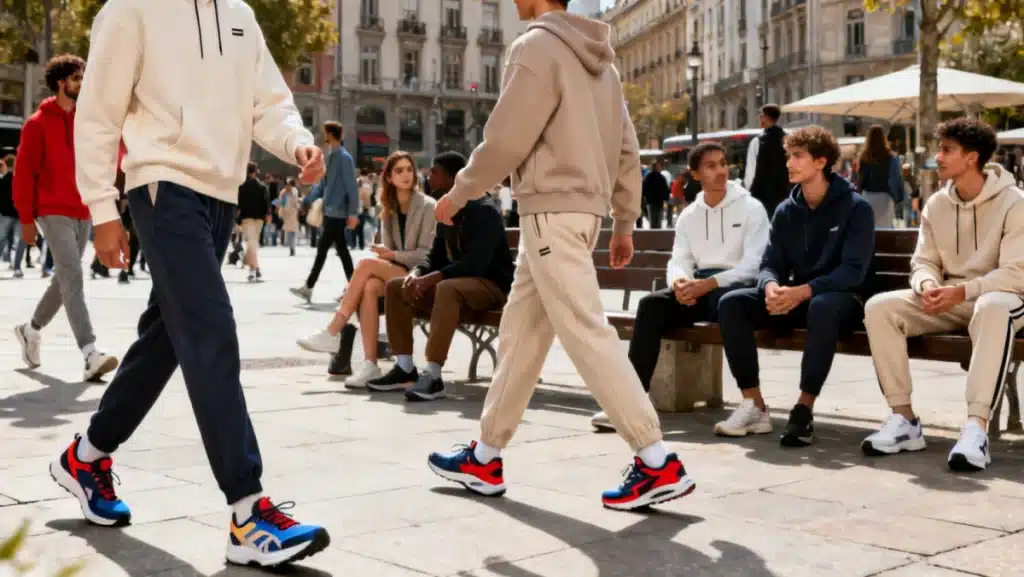
The traditional boundaries of dress codes are dissolving, with athleisure leading the charge. Garments once confined to the gym are now acceptable in professional and social settings. This trend highlights the versatility requested by consumers.
Tailored joggers, sophisticated hoodies, and minimalist sneakers are common sights in offices and restaurants. This acceptance represents a significant cultural shift towards comfort without sacrificing style in daily attire.
The demand for hybrid clothing that performs multiple functions is higher than ever. This adaptability is a core principle driving The Evolution of Athleisure 2026: 5 Key Trends for Comfort and Style in US Everyday Wear.
Versatile Designs for Multi-Occasion Use
Designers are focusing on creating pieces that can be dressed up or down with ease. Neutral color palettes, refined silhouettes, and subtle branding contribute to this versatility.
The emphasis is on clean lines and sophisticated textures, allowing garments to blend seamlessly into various contexts. This approach maximizes wardrobe utility and reduces the need for extensive clothing collections.
The Influence of Remote Work and Hybrid Lifestyles
The prevalence of remote and hybrid work models has accelerated the adoption of athleisure. Comfort has become a priority for individuals spending more time at home or in flexible work environments.
This shift has solidified athleisure’s position as a staple in modern wardrobes. The demand for clothing that supports both productivity and relaxation continues to grow.
Personalization and Customization in Athleisure Offerings
Consumers are increasingly seeking unique and personalized athleisure options. Mass-produced items are giving way to bespoke or customizable pieces that reflect individual style and preferences. This trend is a key driver in The Evolution of Athleisure 2026: 5 Key Trends for Comfort and Style in US Everyday Wear.
Brands are responding by offering customization services, from color choices and fabric selections to fit adjustments. This caters to a desire for individuality and a perfect fit.
The ability to create custom pieces fosters a stronger connection between the consumer and the brand. It transforms shopping into a more engaging and personal experience, reflecting modern consumer values.
Tailored Fits and Body Inclusivity
Beyond traditional sizing, brands are now offering more inclusive sizing ranges and tailored fit options. This ensures that athleisure is accessible and comfortable for all body types.
Custom measurements and made-to-order services are becoming more common, addressing specific needs. This commitment to inclusivity is a testament to the evolving demands of the market.
DIY and Co-Creation Platforms
Some brands are empowering consumers through DIY platforms, allowing them to design their own athleisure garments. This co-creation model fosters creativity and personal expression.
These platforms often integrate 3D visualization tools, providing a realistic preview of the customized product. This innovative approach further enhances the personalization trend in athleisure.
The Influence of Digital Fashion and Virtual Try-Ons
Digital fashion is playing an increasingly significant role in how athleisure is presented and consumed. Virtual try-on technologies and augmented reality (AR) experiences are transforming the shopping journey. This is a crucial aspect of The Evolution of Athleisure 2026: 5 Key Trends for Comfort and Style in US Everyday Wear.
These technologies allow consumers to visualize garments on themselves without physical interaction. This enhances convenience and reduces the need for returns, making online shopping more efficient.
The metaverse also presents new opportunities for digital athleisure, where virtual outfits can be worn by avatars. This opens up entirely new avenues for brand engagement and product promotion.
Augmented Reality Shopping Experiences
AR apps enable users to virtually try on clothing using their smartphone cameras. This immersive experience helps consumers make more confident purchasing decisions from home.
Retailers are integrating AR into their e-commerce platforms, providing a seamless blend of virtual and physical shopping. This innovation is reshaping how athleisure is discovered and purchased.
NFTs and Digital Collectibles in Athleisure
Non-Fungible Tokens (NFTs) are emerging as a new frontier for athleisure brands, offering digital collectibles and exclusive virtual apparel. These digital assets appeal to collectors and tech-savvy consumers.
NFTs can also unlock physical products or unique experiences, bridging the gap between digital and real-world fashion. This innovative approach reflects the dynamic nature of The Evolution of Athleisure 2026: 5 Key Trends for Comfort and Style in US Everyday Wear.
Sustainability and Ethical Production as Core Values
Beyond materials, the entire lifecycle of athleisure garments is under scrutiny. Consumers are demanding greater transparency and ethical practices from brands. This trend is central to The Evolution of Athleisure 2026: 5 Key Trends for Comfort and Style in US Everyday Wear.
Fair labor practices, safe working conditions, and reduced environmental impact are key considerations. Brands that prioritize these values are gaining a competitive edge in a conscious market.
Certifications and third-party audits provide assurance to consumers about a brand’s commitment to sustainability. This accountability builds trust and fosters brand loyalty.
Circular Economy Models in Fashion
The concept of a circular economy, where products are designed for durability, repair, and recycling, is gaining traction. This minimizes waste and maximizes resource efficiency.
Athleisure brands are exploring take-back programs, repair services, and partnerships for textile recycling. This moves away from the traditional linear model of production and disposal.
Social Impact and Community Engagement
Ethical athleisure brands often engage in social impact initiatives, supporting local communities or charitable causes. This resonates with consumers who seek to align their purchases with their values.
Transparency about social responsibility efforts is crucial for building a strong brand reputation. This holistic approach to business reflects a broader societal shift towards conscious consumption.
Looking Ahead: The Future Landscape of Athleisure
The athleisure market is poised for continued innovation and expansion, driven by evolving consumer needs and technological advancements. The trends observed in The Evolution of Athleisure 2026: 5 Key Trends for Comfort and Style in US Everyday Wear indicate a future where comfort, style, and ethical considerations are intrinsically linked.
Expect to see even greater integration of smart features, advanced sustainable materials, and highly personalized offerings. The digital realm will continue to shape how athleisure is experienced and purchased.
Brands that successfully adapt to these shifts, prioritizing both performance and purpose, will thrive. The landscape of everyday wear will become increasingly dynamic, reflecting a blend of active living and conscious consumption.
The focus will remain on versatility, allowing garments to seamlessly transition across various aspects of daily life. This adaptability is key to meeting the demands of a modern consumer base.
Ultimately, the industry will continue to push boundaries, redefining what it means to dress for comfort and style. The Evolution of Athleisure 2026: 5 Key Trends for Comfort and Style in US Everyday Wear is a testament to this ongoing transformation.
What this teaches
The Evolution of Athleisure 2026: 5 Key Trends for Comfort and Style in US Everyday Wear highlights a profound shift in consumer values. It teaches us that modern fashion prioritizes functionality, sustainability, and personalization above all else. Brands must innovate with performance-driven fabrics and integrate technology thoughtfully to remain relevant. The blurring lines between casual and formal wear underscore a desire for versatile, adaptable clothing. Ethical production and digital experiences are no longer niche but foundational to brand success, shaping what consumers expect from their wardrobes and the companies that dress them. This ongoing evolution suggests a future where clothing is not just worn, but actively enhances lifestyle and reflects personal values.