Navigating Plus-Size Fashion in 2026: 7 Style Tips
Advertisement
The plus-size fashion market in the United States is experiencing a significant shift in 2026. Retailers are expanding size ranges, brands are prioritizing inclusive design, and consumers are demanding better options. This guide presents seven practical style tips that help curvy individuals dress with confidence and comfort.
Navigating Plus-Size Fashion in 2026: 7 Style Tips for Confidence and Comfort in the US Market
The American fashion industry is finally listening. After years of neglect, plus-size consumers now see more options, better sizing, and improved quality across retail channels. Navigating plus-size fashion in 2026 requires understanding which strategies actually work and which trends deserve attention. This article breaks down seven actionable tips that balance style, comfort, and the latest market developments.
Whether shopping in physical stores or browsing online, the goal remains the same: building a wardrobe that feels authentic and comfortable. The tips below reflect current market conditions and real consumer needs in the United States this year.
Understanding the 2026 Plus-Size Market Landscape
The plus-size fashion segment has grown substantially. Major retailers now offer extended size ranges, and direct-to-consumer brands are competing for market share. Navigating plus-size fashion in 2026 means recognizing that quality has improved across price points. Department stores have dedicated plus-size sections, and online platforms provide detailed size guides that reduce guesswork.
Several factors drive this transformation. Consumer advocacy groups have pushed for better representation. Social media influencers have demonstrated that style has no size limit. And retailers have recognized the purchasing power of plus-size shoppers, who represent a significant portion of the US apparel market.
Advertisement
Key Market Developments
Several trends define the current landscape. First, size inclusivity now extends beyond basic essentials. Second, brands are hiring plus-size models for campaigns and runway shows. Third, adaptive clothing lines are expanding to include more style-forward options.
- Extended size ranges at mainstream retailers
- Improved fabric quality and stretch technology
- Better return policies for online purchases
- Increased representation in advertising
Prioritizing Fit Over Size Numbers
The most transformative tip for Navigating plus-size fashion in 2026 involves shifting focus from size labels to actual fit. Every brand uses different sizing standards, making the number on a tag almost meaningless. Instead, measurements matter more.
Taking body measurements at home provides a reliable baseline. Comparing those numbers to brand-specific size charts reduces returns and disappointment. Many retailers now offer video tutorials on measuring bust, waist, and hip circumference accurately.
Advertisement
Finding Your Best Fit
Tailoring remains an underutilized strategy. Even inexpensive pieces look more expensive when altered to fit properly. A simple hem adjustment or taking in waistbands can transform how clothes feel and look. Some dry cleaners offer affordable alteration services, and learning basic sewing skills helps with quick fixes.
Embracing Fabric Technology
Fabric innovations have changed what plus-size clothing can accomplish. Modern stretch fabrics offer recovery properties that maintain shape throughout the day. Moisture-wicking materials keep wearers comfortable in various climates. These advances make navigating plus-size fashion in 2026 much easier than in previous years.
Look for fabrics with spandex or elastane content in the eight to twelve percent range for optimal stretch and recovery. Avoid fabrics that bag or sag after wearing. Natural fibers like cotton and linen now come in stretch blends that offer breathability without sacrificing durability.
Seasonal Fabric Considerations
Summer wardrobes benefit from lightweight, breathable materials. Bamboo blends and moisture-wicking synthetics perform well in heat. Winter requires heavier fabrics with structure, such as ponte knits and wool blends. Understanding seasonal fabric needs helps build a functional year-round wardrobe.
Building a Versatile Foundation Wardrobe
Investment pieces form the backbone of any smart wardrobe. For plus-size individuals, these foundational items include well-fitted jeans, tailored trousers, and versatile tops that layer easily. Navigating plus-size fashion in 2026 becomes simpler with a strategic collection of mix-and-match pieces.
Start with neutral colors that coordinate easily. Black, navy, gray, and white serve as reliable bases. From there, add personality through accessories, prints, and seasonal accent colors. This approach maximizes outfit combinations while minimizing decision fatigue.
Essential Pieces to Consider
Every plus-size wardrobe should include a quality pair of dark-wash jeans with a comfortable rise. Look for styles with built-in smoothing technology. A tailored blazer in a neutral tone provides instant polish. Basic tanks and tees in complementary colors allow endless layering possibilities.
Accessorizing Strategically
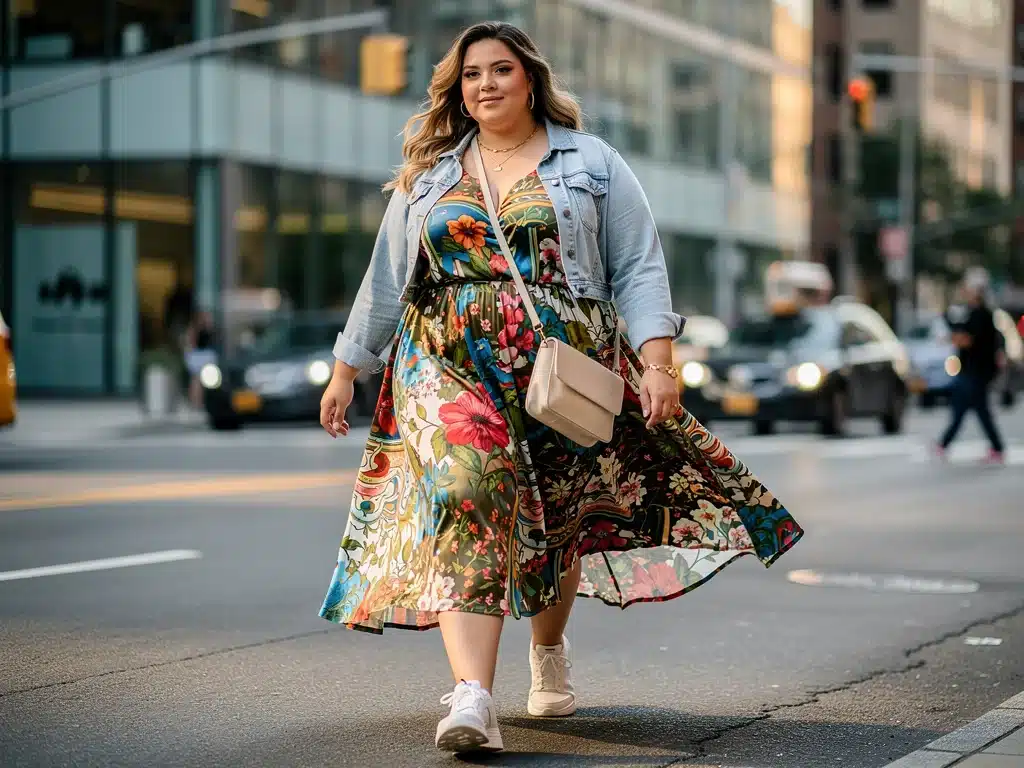
Accessories transform simple outfits into statements. Necklaces draw attention upward, flattering the face and creating visual interest. Scarves add color and texture without adding bulk. The right bag complements proportions without overwhelming the frame.
Navigating plus-size fashion in 2026 includes understanding which accessories work best for different body shapes. Longer necklaces and dangle earrings create vertical lines. Belts at the natural waist define shape. Statement bags should proportional to body size, avoiding tiny purses that can look out of place.
Making Statements with Confidence
Bold accessories signal confidence. Large sunglasses, chunky jewelry, and vibrant scarves all make impressions. The key is choosing one statement piece per outfit rather than competing elements. Let the accessory lead while clothing supports the overall look.
Shopping Smart in the Digital Age
Online shopping offers unparalleled convenience, but plus-size consumers face specific challenges. Reading reviews for fit information helps significantly. Many retailers now include customer photos showing how items look on different body types. Video content demonstrating fabric movement and fit provides additional insight.
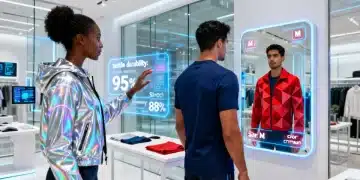
Navigating plus-size fashion in 2026 means leveraging technology. Virtual try-on features are becoming standard at major retailers. Some platforms allow users to input measurements for personalized size recommendations. Understanding return policies ensures risk-free experimentation.
Building Relationships with Brands
Loyalty programs often reward consistent shoppers with early access to new styles and exclusive discounts. Following favorite brands on social media reveals upcoming releases and sales. Email newsletters provide advance notice of restocks, which matters when popular sizes sell quickly.
What Happens Now
The plus-size fashion industry continues evolving rapidly. Consumers can expect more options, better quality, and improved accessibility in the coming years. Brands that prioritize inclusivity will capture market share, while those that lag behind will struggle to remain relevant.
For individuals navigating plus-size fashion in 2026, the future looks promising. More choices mean more opportunities to express personal style. Better sizing means fewer compromises. And growing acceptance means dressing well no longer requires extraordinary effort. The key is staying informed, experimenting confidently, and building wardrobes that reflect individual personality and practical needs.