Gender-Neutral Fashion 2026: 3 Key Styles Reshaping US Retail
Advertisement
The Rise of Gender-Neutral Fashion: 3 Key Styles to Watch in 2026 and Their Impact on US Retail
The US fashion industry is undergoing a fundamental transformation. The Rise of Gender-Neutral Fashion: 3 Key Styles to Watch in 2026 and Their Impact on US Retail represents more than a passing trend—it signals a structural shift in how American consumers shop, how brands design, and how retailers position themselves in an increasingly inclusive marketplace. Major retailers report double-digit growth in gender-neutral sections, while independent brands built entirely on fluid fashion concepts are capturing market share from traditional players.
This development reflects broader cultural movements around identity expression and accessibility. Shoppers no longer confine their purchasing decisions to gendered aisles, and retailers are responding by reimagining store layouts, marketing strategies, and product development pipelines. Understanding these changes matters not only for industry professionals but for anyone interested in where American fashion is heading.
Market Dynamics Driving Inclusive Fashion
The business case for gender-neutral fashion has never been stronger. According to recent industry analyses, the gender-neutral clothing market in the United States grew by 35% in 2025, outpacing overall apparel growth by a significant margin. This expansion reflects changing consumer demographics and purchasing behaviors across age groups.
Retailers report that gender-neutral collections generate higher customer loyalty rates compared to traditional gendered lines. Shoppers who find inclusive options tend to make repeat purchases and recommend brands to friends and family. This word-of-mouth effect proves particularly powerful in the age of social media, where authentic representation drives purchasing decisions.
Economic Impact on Traditional Retail
Major department stores and specialty retailers have restructured their floor plans to accommodate the rise of gender-neutral fashion. Some have eliminated gendered sections entirely, adopting instead a unified shopping experience organized by garment type and style aesthetic. This physical restructuring represents a significant investment but aligns with consumer expectations for modern retail environments.
Advertisement
- Department store chains report 28% higher foot traffic in unified shopping areas
- Conversion rates increase by 15% when gender-neutral options are prominently displayed
- Return rates decrease by 12% when shoppers can easily find appropriately sized, versatile garments
- Brand loyalty scores rise significantly among millennial and Gen Z consumers
Style One: Oversized Silhouettes Dominate
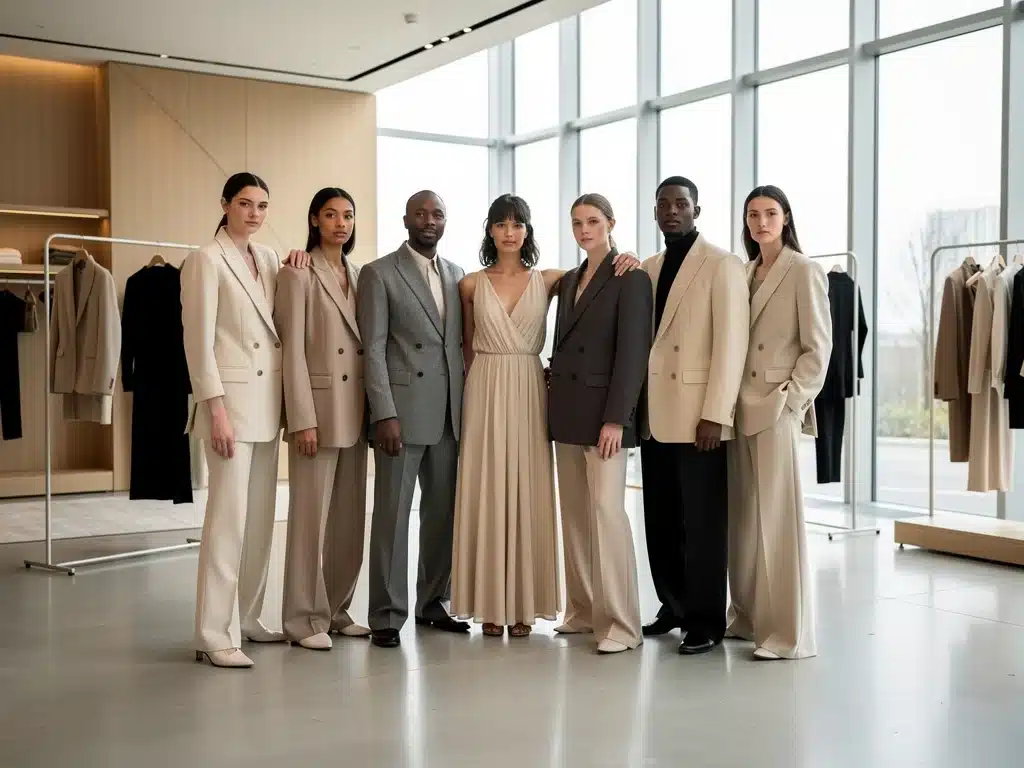
The first defining style of 2026 centers on oversized silhouettes that transcend traditional gender boundaries. This aesthetic prioritizes comfort and self-expression over conforming to body-hugging standards that historically defined gendered fashion. Wide-leg trousers, oversized blazers, and roomy outerwear dominate both runway presentations and retail floor displays.
Designers cite functionality as a primary driver behind this trend. Modern consumers value clothing that adapts to different activities throughout the day, moving seamlessly from work environments to social settings. The oversized approach accommodates this lifestyle while offering a distinct visual identity that appeals across demographic groups.
Fabric Innovation Supports the Movement
Technical fabric advancements enable the oversized trend to maintain structural integrity while providing maximum comfort. Stretch woven materials, sustainable cotton blends, and innovative recycled textiles allow designers to create voluminous pieces that retain shape and resist wrinkling—essential qualities for everyday wearability.
Advertisement
Leading brands have introduced entire collections built around this silhouette philosophy. These lines typically feature modular pieces that layer effectively, allowing consumers to build versatile wardrobes from fewer items. The minimalist approach aligns with growing environmental consciousness among American shoppers.
Style Two: Adaptive Clothing Goes Mainstream
The second major style category transforming US retail involves adaptive clothing designs that prioritize accessibility without sacrificing aesthetic appeal. What began as a niche market serving individuals with disabilities has expanded into a mainstream category embraced by major retailers and luxury brands alike.
Features such as magnetic closures, easy-onEasy-off constructions, and sensory-friendly fabrics now appear in mainstream collections. This expansion reflects both ethical considerations and pragmatic business thinking—accessible fashion represents an underserved market with significant purchasing power.
Retail Implementation Strategies
Major US retailers have developed dedicated sections for adaptive clothing, often positioning these collections alongside gender-neutral offerings. This strategic placement acknowledges the natural overlap between inclusive sizing, fluid styling, and accessibility features. Shopping environments increasingly accommodate mobility devices and provide fitting room accommodations that serve diverse body types and physical capabilities.
The economic implications extend beyond initial sales. Retailers report that adaptive clothing customers demonstrate higher average transaction values and stronger long-term brand relationships. These consumers often recommend brands to others within disability communities, creating organic marketing channels that prove more effective than traditional advertising.
Style Three: Fluid Color Palettes Redefine Wardrobe Basics
The third defining style of 2026 involves color palettes that reject traditional gender coding. Neutrals, earth tones, and versatile shades have replaced the pinks and blues that historically dominated gendered marketing. This chromatic shift enables consumers to build coherent wardrobes without conforming to prescribed color expectations.
Shades like sage green, terracotta, charcoal, and cream dominate seasonal collections from coast to coast. These colors offer practical benefits—they coordinate easily with existing wardrobe pieces and transcend seasonal trend cycles, supporting more sustainable consumption patterns.
Marketing Language Evolution
Retailers have fundamentally changed how they present and describe clothing. Traditional gendered marketing language gives way to descriptive terminology focusing on style, functionality, and aesthetic appeal. Product descriptions now emphasize versatility and personal expression rather than categorizing garments for specific gender presentations.
This linguistic shift extends to advertising campaigns, social media content, and in-store signage. Brands that have adopted inclusive language report stronger engagement rates across demographic groups, suggesting that this approach resonates beyond its original target audience.
Impact on US Retail Strategy
The rise of gender-neutral fashion forces strategic reconsiderations throughout the retail sector. Traditional competitive advantages based on established gendered marketing channels no longer guarantee market position. Brands must develop new competencies in inclusive design, diverse representation, and accessible shopping experiences.
Supply chain adjustments accompany these market changes. Manufacturers increasingly produce garments designed for versatility rather than narrow demographic targets. This approach reduces waste associated with seasonal trend cycles while supporting more efficient inventory management. Retailers benefit from longer product life cycles and reduced markdowns on unsold merchandise.
Data-Driven Inventory Decisions
Advanced analytics help retailers optimize gender-neutral inventory allocation. Point-of-sale systems now track purchasing patterns across traditional demographic categories, revealing unexpected customer segments for inclusive collections. This data-driven approach replaces intuition-based buying decisions with measurable insights about consumer preferences.
Store layouts increasingly reflect these analytical findings. End-cap displays, prime floor locations, and prominent online positioning signal the commercial importance of gender-neutral offerings. Retail executives recognize that inclusive fashion represents not merely a marketing initiative but a fundamental business strategy for sustained growth.
Looking Ahead: Sustainable Growth Projections
Industry projections indicate continued expansion of gender-neutral fashion through the remainder of 2026 and beyond. Consumer research suggests that younger demographics increasingly view traditional gendered shopping categories as outdated relics rather than helpful organizational frameworks.
The rise of gender-neutral fashion ultimately reflects deeper societal changes around identity, expression, and inclusion. Retailers that recognize these shifts position themselves for long-term success in an evolving marketplace. Those that resist risk becoming irrelevant to generations that expect authentic representation and accessible options across all shopping experiences.
The rise of gender-neutral fashion reshapes US retail through oversized silhouettes, adaptive clothing, and fluid color palettes. Brands nationwide embrace inclusivity as a business strategy, driving market growth and redefining traditional fashion boundaries.