Textile Innovations for 2026: 5 New Fabrics Changing US Apparel
Advertisement
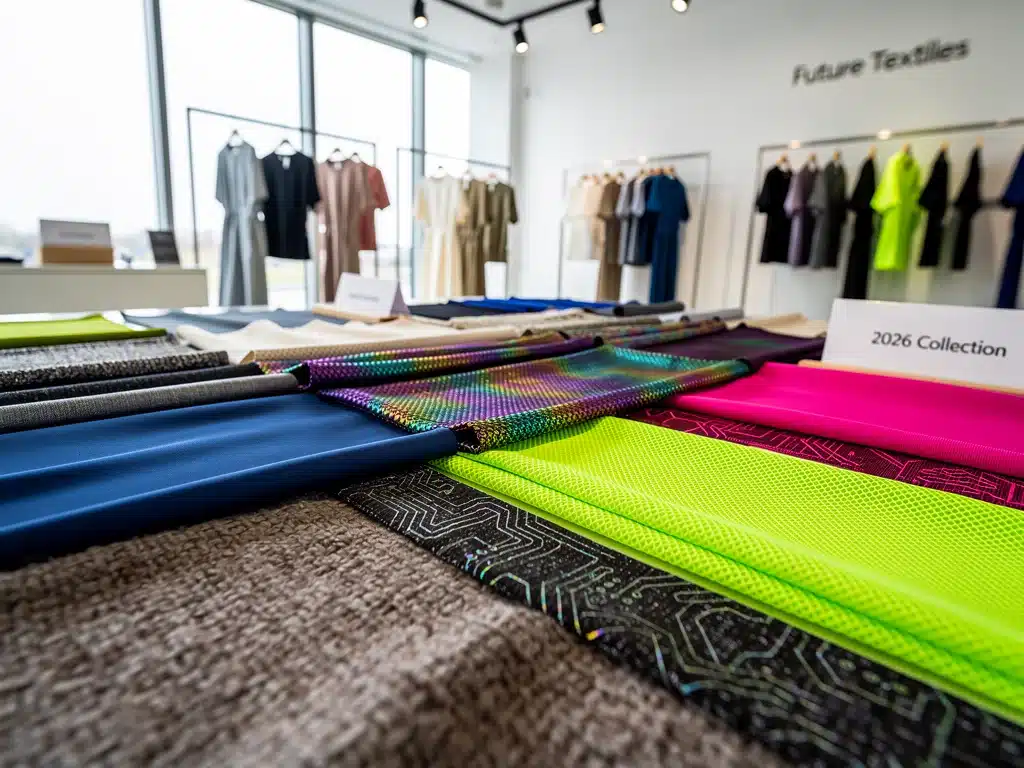
The US apparel industry is undergoing a textile revolution in 2026. Five breakthrough fabrics are redefining comfort and durability standards, from moisture-wicking smart textiles to sustainable performance materials. These innovations address consumer demand for longer-lasting, more comfortable clothing while meeting environmental goals.
Textile Innovations for 2026: 5 New Fabrics Revolutionizing Comfort and Durability in US Apparel
The American fashion landscape is experiencing a fundamental shift in how consumers think about their clothing. Textile Innovations for 2026: 5 New Fabrics Revolutionizing Comfort and Durability in US Apparel represents more than a trend—it signals a new era where fabric technology directly addresses everyday wearability concerns. Major brands and emerging designers alike are integrating these materials into their collections, responding to shoppers who demand clothing that performs as well as it looks.
What distinguishes these innovations from previous textile advances is their dual focus on performance and sustainability. US manufacturers have invested heavily in research and development, creating fabrics that extend garment lifespan while reducing environmental impact. The result is a market transformation that benefits both consumers and the planet.
The Rise of Smart Moisture Management Fabrics
One of the most significant developments in recent textile technology involves advanced moisture-wicking capabilities. These new fabrics go beyond traditional sweat-resistant materials by actively regulating body temperature across varying conditions. US sportswear brands have been quick to adopt these innovations, integrating them into everything from athletic wear to everyday casual clothing.
The technology works through microscopic fiber structures that pull moisture away from the skin while accelerating evaporation. This creates a cooling effect that remains consistent throughout extended wear, addressing a common complaint among consumers who have experienced discomfort in traditional synthetic fabrics.
Advertisement
Real-World Performance Benefits
Early adopters in the fitness community report substantial improvements in workout comfort and recovery. The moisture management technology adapts to different activity levels, providing more effective thermoregulation than older generation fabrics. US-based testing facilities have documented temperature reductions of up to five degrees Fahrenheit compared to conventional materials during vigorous physical activity.
- Active moisture evaporation that adapts to activity intensity
- Temperature regulation across environmental conditions
- Reduced bacterial growth from improved breathability
- Extended garment freshness between washes
Sustainable Performance Materials
Environmental consciousness has driven another major category of textile innovations for 2026. Manufacturers have developed bio-based alternatives that match or exceed the performance characteristics of petroleum-derived synthetics. These materials draw from renewable sources including agricultural waste, ocean-derived polymers, and recycled textile fibers.
US apparel companies have responded enthusiastically, with several major retailers announcing complete transitions to sustainable materials within the next three years. The shift represents both an ethical choice and a strategic business decision, as consumers increasingly factor environmental impact into purchasing decisions. The new fabrics maintain durability standards that consumers expect while dramatically reducing the carbon footprint of garment production.
Advertisement
These sustainable alternatives have proven particularly successful in denim and casual wear categories, where traditionally high water consumption and chemical processing have drawn criticism. The innovations offer comparable aesthetics and performance without the environmental baggage that has plagued the industry for decades.
Consumer Adoption and Market Response
Market research indicates strong consumer willingness to pay premium prices for sustainably produced garments. US shoppers cite environmental concerns alongside quality considerations when making apparel purchases. This demand has created opportunities for smaller brands to compete with established players by emphasizing their commitment to innovative sustainable materials.
Enhanced Durability Through Advanced Weave Technology
Perhaps no aspect of textile innovation matters more to US consumers than durability. The latest fabric technologies incorporate advanced weave structures that significantly extend garment lifespan without sacrificing comfort. These innovations address the fast-fashion problem directly, offering clothing that maintains its appearance and functionality through years of regular wear.
The technical approach involves precision-engineered fiber arrangements that resist pilling, fading, and structural degradation. US textile laboratories have developed testing protocols that simulate years of wear in compressed timeframes, allowing manufacturers to verify durability claims before products reach store shelves. This rigorous validation gives consumers confidence in the longevity promises made by brands.
What makes these developments particularly noteworthy is their application across price points. Previously, advanced durability features were reserved for premium products. The 2026 innovations have made enhanced longevity accessible to mainstream consumers, potentially reducing overall clothing consumption while improving satisfaction with individual purchases.
Technical Foundations of Long-Lasting Fabrics
The durability improvements stem from multiple technological advances working in combination. Fiber blending techniques create materials that resist common forms of damage, while specialized finishing treatments protect against UV degradation and repeated washing. These approaches have been refined through collaboration between material scientists and apparel designers who understand both technical requirements and aesthetic preferences.
- Advanced fiber blending for improved tensile strength
- UV-resistant treatments for extended outdoor performance
- Color-retention technologies reducing fade from washing
- Structural integrity maintenance through multiple wear cycles
Comfort-First Design Philosophy
Comfort has emerged as the defining characteristic of successful textile innovations for 2026. US consumers increasingly prioritize how clothing feels against their skin, driving manufacturers to develop fabrics that excel in tactile experience alongside visual appeal. This shift represents a departure from purely aesthetic-driven fashion priorities.
The comfort innovations span multiple dimensions including softness, stretch, and temperature neutrality. New processing techniques create fabrics with exceptional hand feel without compromising durability or maintenance requirements. These materials adapt to body movement, providing unrestricted motion for active lifestyles while maintaining smooth contact with skin.
US sleepwear and loungewear categories have seen particularly rapid adoption of comfort-focused innovations. The COVID-19 pandemic accelerated consumer interest in comfortable home clothing, and the textile industry has responded with materials designed specifically for extended wear in relaxed settings. This category growth demonstrates how broader lifestyle changes influence textile development priorities.
The Science of Sensory Comfort
Textile engineers have identified specific fiber characteristics that contribute to perceived comfort. Smooth, rounded fibers reduce skin irritation, while strategic elasticity allows natural body movement without restriction. Temperature-regulating properties ensure comfort across varying environmental conditions, addressing a common limitation of traditional materials that perform well only in narrow temperature ranges.
Looking Ahead: What This Means for US Consumers
The textile innovations emerging in 2026 represent more than incremental improvements to existing materials. They constitute a fundamental reimagining of what consumers should expect from their clothing. The combination of enhanced comfort, improved durability, and sustainable production creates a compelling value proposition that addresses long-standing frustrations with the apparel industry.
US shoppers can anticipate continued expansion of these technologies across additional product categories. As manufacturing scale increases, costs will likely decrease, making innovative fabrics accessible to broader consumer segments. The implications extend beyond individual purchases to broader conversations about consumption patterns, environmental responsibility, and the relationship between technology and everyday life.
The transformation underway in US apparel reflects broader technological integration into daily existence. Textile innovations for 2026 demonstrate how material science advances translate into tangible improvements in quality of life, offering a model for other consumer goods categories seeking to balance performance, sustainability, and accessibility.