Workwear Reimagined 2026: 6 Professional Outfits for Modern US Workplace

Advertisement
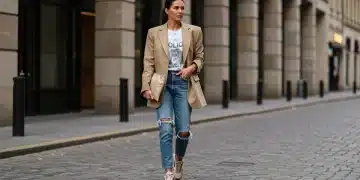
The modern American workplace demands clothing that moves with professionals throughout their day. Workwear Reimagined 2026 presents six curated ensembles that balance sophistication with practical functionality, reflecting the evolving expectations of today’s corporate environments.
Workwear Reimagined 2026: 6 Professional Outfits That Blend Style and Function for the Modern US Workplace
The American professional wardrobe has undergone a significant transformation. What once meant rigid suits and uncomfortable formalwear has evolved into a more nuanced approach to workplace dressing. The shift reflects broader changes in how we work, collaborate, and present ourselves in professional settings.
In 2026, the conversation around workwear centers on versatility, comfort, and authentic self-expression. Companies across the United States have embraced more flexible dress codes, creating opportunities for professionals to explore wardrobes that serve both their career ambitions and their daily comfort needs. This evolution demands a closer look at what constitutes appropriate yet distinctive professional attire.
The New Rules of Professional Dressing
Today’s workplace operates under different parameters than those of previous generations. Remote and hybrid arrangements have blurred the lines between formal and casual, while technology continues to influence how we perceive professional image. The modern professional needs clothing that transitions seamlessly from video calls to in-person meetings, from office floors to client sites.
Fabric technology has advanced considerably, offering materials that breathe, stretch, and maintain their appearance throughout demanding workdays. These innovations allow professionals to prioritize both functionality and aesthetics without compromise. The best workwear now works as hard as the people wearing it.
Advertisement
Understanding the Modern Workplace Dress Code
Different industries and organizations maintain varying expectations regarding professional attire. Financial firms and legal practices often retain more traditional approaches, while technology companies and creative agencies embrace relaxed sophistication. Understanding your specific workplace culture remains essential when building a professional wardrobe.
The key lies in selecting pieces that project competence and confidence while remaining appropriate for your particular environment. This balance requires thoughtful consideration of fabric, fit, and finish. Professionals who master this balance position themselves for success in their careers while expressing their individual style.
- Assess your workplace culture before making significant wardrobe purchases
- Invest in quality foundational pieces that transcend seasonal trends
- Prioritize fabrics that offer comfort and durability
- Choose colors and silhouettes that complement your personal style
The Power Suit Reimagined
The traditional power suit has evolved into something more refined and adaptable. Modern versions feature lighter construction, stretch fabrics, and streamlined silhouettes that move with the wearer. This transformation addresses the needs of professionals who navigate busy schedules and unpredictable days.
Advertisement
A well-tailored suit in navy or charcoal remains a cornerstone of professional wardrobes. The difference lies in the details: breathable linings, functional pockets, and thoughtful stitching that allows for comfortable wear throughout extended workdays. These updates preserve the authority associated with suiting while eliminating unnecessary restrictions.
Building Your Foundation Suit
When selecting a suit for professional purposes, focus on fit above all else. A perfectly fitted suit, regardless of price point, projects sophistication and attention to detail. The shoulders should sit naturally, the sleeves should reveal approximately one-half inch of shirt cuff, and the trousers should break just at the top of the shoe.
Consider versatility when making your selection. A suit that coordinates with multiple shirts and accessories offers greater value than one limited to single-purpose wear. This approach supports both your wardrobe budget and your environmental consciousness by reducing unnecessary consumption.
The Smart Casual Revolution
Smart casual has emerged as the dominant dress code across American workplaces. This category encompasses a broad range of combinations, from tailored chinos with polished loafers to elevated knitwear paired with clean minimalist sneakers. The flexibility allows professionals to express personality while maintaining appropriate professional presentation.
The rise of smart casual reflects broader cultural shifts toward authenticity and comfort. Professionals no longer wish to sacrifice their well-being for rigid appearance standards. Instead, they seek clothing that supports their productivity and reflects their values. This transformation represents more than a fashion trend; it signals a fundamental reevaluation of workplace expectations.
Essential Smart Casual Pieces
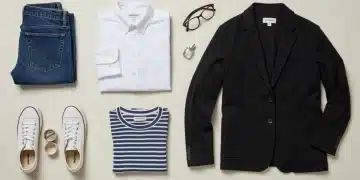
Building a smart casual wardrobe requires strategic investment in versatile pieces. Quality Oxford shirts in neutral colors provide reliable foundations for numerous combinations. Well-fitted chinos in navy, khaki, and olive offer alternatives to jeans while maintaining professional polish.
Layering pieces deserve particular attention. A cashmere sweater, a structured cardigan, or a tailored vest can elevate simple combinations while adding warmth during cooler months. These items bridge the gap between casual comfort and professional sophistication, allowing wearers to adapt quickly to changing circumstances.
Executive Casual: The Middle Ground
Executive casual occupies the space between formal business attire and smart casual. This category serves professionals in industries where client relationships matter but rigid formality has diminished. Finance professionals, consultants, and business development executives often find themselves in this territory.
The executive casual approach emphasizes quality over quantity. A single exceptional piece delivers more impact than several mediocre alternatives. This philosophy extends to every element of the outfit, from the primary garments to the accessories that complete the look.
Key Elements of Executive Casual
Tailored trousers in premium fabrics form the foundation of executive casual dressing. Pair these with button-down shirts in subtle patterns or solid colors that complement your skin tone. The addition of a blazer, even when optional, signals intentionality and attention to professional presentation.
Footwear deserves careful consideration in this category. Leather boots, quality loafers, or polished sneakers all have appropriate applications. The key is selecting options that demonstrate judgment and understanding of workplace expectations. Shoes often communicate professionalism more effectively than any other element of an outfit.
Tech Industry Professionalism
The technology sector has fundamentally altered American workplace dress norms. Companies headquartered in Silicon Valley and Seattle have normalized approaches that would have seemed impossible in previous decades. This influence extends beyond tech itself, affecting organizations across industries seeking to attract younger talent.
Tech industry professionalism emphasizes authenticity and comfort without sacrificing competence. The aesthetic typically includes clean lines, quality basics, and minimal branding. This approach creates a uniform that feels personal rather than prescribed, allowing professionals to express individuality within accepted parameters.
Tech-Forward Workwear Essentials
Functionality drives tech industry workwear choices. Garments with hidden pockets for devices, wrinkle-resistant fabrics for travel, and temperature-regulating materials address the practical demands of technology professionals. These innovations serve professionals who work long hours and travel frequently.
The aesthetic leans toward minimalist sophistication. Monochromatic combinations, quality denim, and premium basics create polished appearances without excessive effort. This simplicity supports professionals focused on their work rather than their wardrobe, while still projecting the competence expected in competitive environments.
Creative Industries and Expressive Professionalism
Creative fields including advertising, design, media, and entertainment embrace more expressive approaches to professional dressing. These industries value originality and individual voice, extending these expectations to personal presentation. The result is workplace fashion that feels vibrant and intentional.
Creative professionals often use their wardrobes as extensions of their work. Bold colors, interesting textures, and distinctive silhouettes communicate creativity and confidence. This approach requires judgment to avoid excess, but when executed well, it enhances professional presence in meaningful ways.
Expressing Individuality Professionally
Balancing self-expression with professional expectations requires thoughtful curation. Select statement pieces that complement rather than overwhelm your overall appearance. A distinctive accessory, an interesting texture, or an unexpected color can communicate creativity without sacrificing professionalism.
Understanding your specific workplace culture remains essential. Creative industries span a broad spectrum, from advertising agencies with relaxed norms to production companies with more traditional expectations. Adapt your approach accordingly, using your clothing to support rather than undermine your professional objectives.
Looking Ahead: The Future of American Workwear
The trajectory of workwear points toward continued evolution. Sustainability concerns drive demand for quality over quantity, while technological advances enable new fabric innovations. Professionals increasingly seek wardrobes that serve multiple purposes while minimizing environmental impact.
The boundaries between work and life continue to blur, influencing how we dress for professional contexts. Remote work has normalized more relaxed approaches, while return-to-office initiatives create opportunities for renewed attention to professional presentation. Navigating these competing influences requires flexibility and intentionality.
Workwear Reimagined 2026 reflects these broader transformations. The six professional outfits presented here demonstrate how style and function can coexist harmoniously, serving the diverse needs of American professionals across industries and roles. As workplace expectations continue to evolve, so too will our approaches to professional dressing, always balancing authenticity with appropriateness, comfort with sophistication, and individual expression with organizational expectations.