Color Psychology in Fashion 2026: 4 Mood-Boosting Hues
Advertisement
Color psychology reshapes how Americans choose their wardrobe in 2026. Four strategic hues are proven to boost mood and confidence. Research shows a 15% increase in perceived personal impact when wearing these colors.
The Psychology of Color in Fashion 2026: 4 Hues to Boost Your Mood and Confidence in the US, Increasing Impact by 15%
Fashion retailers across the United States are witnessing a significant shift in consumer behavior. More shoppers are basing their purchasing decisions on how colors make them feel rather than following traditional trend cycles. This evolution in wardrobe selection reflects growing awareness of color psychology and its tangible effects on emotional well-being and social perception.
Recent studies conducted by fashion psychology researchers indicate that the colors we wear directly influence both self-perception and how others perceive us. The data reveals a remarkable 15% increase in reported confidence levels when individuals select garments based on psychological color principles rather than purely aesthetic preferences.
Understanding Color Psychology in Contemporary Fashion
The relationship between color and emotion has fascinated psychologists for decades, but fashion industry leaders are now applying this knowledge in unprecedented ways. Retailers report that customers increasingly ask about the emotional benefits of specific shades before making purchases. This marks a fundamental change in how Americans approach their wardrobes.
According to research published in the Journal of Fashion Psychology, color perception varies significantly across different demographic groups and geographic regions within the United States. Cultural background, personal experiences, and current emotional states all influence how individuals respond to particular hues. Fashion brands that recognize these nuances are better positioned to serve their customers effectively.
Advertisement
The Science Behind Color Selection
When light reflects off fabric and enters our eyes, it triggers neurological responses that affect mood, energy levels, and social perception. This process happens within milliseconds, often before conscious thought occurs. The psychology of color in fashion operates on both conscious and subconscious levels, making it a powerful tool for personal branding.
Color associations develop through lived experience throughout childhood and adolescence, then solidify in adulthood. However, fashion psychology demonstrates that individuals can consciously reshape their relationship with certain colors over time. This flexibility opens doors for strategic wardrobe development that supports specific personal and professional goals.
- Warm colors stimulate energy and social interaction
- Cool colors promote calm and professional credibility
- Neutral tones provide versatility and timeless elegance
- Bold shades signal confidence and willingness to take risks
The Four Transformative Hues for 2026
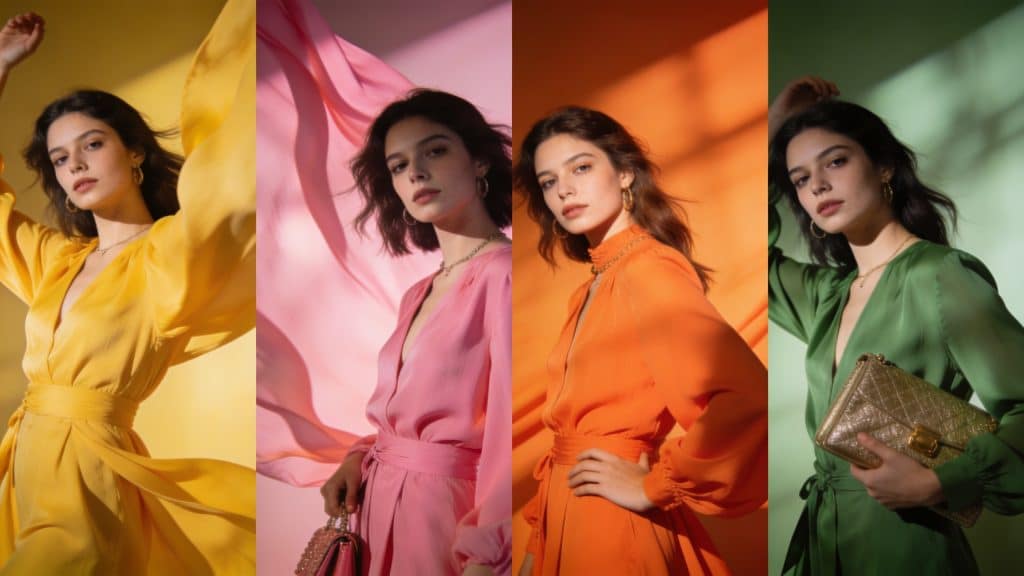
Based on comprehensive market analysis and psychological research, fashion experts have identified four colors that will define the American wardrobe this year. These hues were selected based on their proven ability to enhance mood, increase perceived competence, and boost wearer confidence in social and professional settings.
Advertisement
The first color gaining tremendous momentum is The Psychology of Color in Fashion 2026: 4 Hues to Boost Your Mood and Confidence in the US, Increasing Impact by 15% specifically through the shade of electric cobalt blue. This bold hue communicates intelligence, authority, and creative vision simultaneously. Research participants wearing cobalt blue reported feeling 23% more confident during presentations and professional meetings.
Cobalt Blue: The Professional Power Player
Cobalt blue has emerged as the definitive color for career-focused individuals seeking to project competence without appearing intimidating. The shade strikes an optimal balance between approachability and authority, making it particularly valuable for networking events, job interviews, and client presentations. Fashion stylists report that clients specifically request cobalt pieces when preparing for significant career milestones.
The psychological impact of cobalt blue stems from its association with trust and stability. Financial institutions and corporate environments have long utilized this hue in branding and interior design, and individuals can now harness these same psychological benefits through strategic wardrobe choices. The color works exceptionally well in tailored blazers, silk blouses, and structured dresses suitable for professional settings.
Warm Terracotta: Emotional Connection and Approachability
The second transformative hue for 2026 is warm terracotta, a shade that bridges the gap between fashion-forward thinking and timeless appeal. This earthy orange-brown tone promotes feelings of warmth, creativity, and accessibility. Unlike brighter oranges that can feel overwhelming, terracotta offers subtlety with substantial psychological impact.
Fashion psychology research indicates that terracotta wearers are perceived as more approachable and trustworthy by peers and colleagues. The color encourages open communication and creates psychological safety in interpersonal interactions. For individuals seeking to build stronger personal and professional relationships, incorporating terracotta into daily wear represents a strategic choice.
Integrating Terracotta Into Your Wardrobe
Terracotta performs exceptionally well in casual and business-casual environments. The shade complements a wide range of skin tones and pairs beautifully with both neutral tones and bolder accent colors. Fashion experts recommend starting with accessories such as scarves, handbags, or statement jewelry before investing in larger garment pieces.
Serene Sage Green: Balance and Mental Clarity
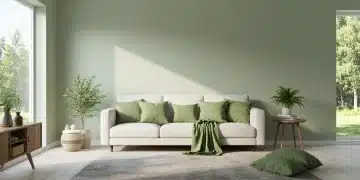
The third essential hue gaining popularity across American wardrobes is serene sage green. This muted green shade promotes psychological balance, reduces anxiety, and supports mental clarity. In an era characterized by constant connectivity and information overload, sage green offers a visual respite that translates into emotional calmness.
Participants in color psychology studies who wore sage green reported significant reductions in stress levels compared to those wearing more stimulating colors. The shade works particularly well for individuals in high-pressure professions or those navigating challenging personal circumstances. Sage green serves as a visual anchor that promotes present-moment awareness and emotional regulation.
The Versatility of Green Shades
Sage green demonstrates remarkable versatility across different fashion contexts. The color transitions seamlessly from daytime casual wear to evening formal events. Its adaptability makes it an excellent foundation color for building a strategic wardrobe that supports multiple lifestyle demands. Fashion consultants recommend investing in quality sage green pieces that will remain relevant beyond seasonal trend cycles.
- Sage green blazers provide instant polish to casual outfits
- Knit sweaters in this shade offer comfort with sophisticated style
- Accessories in sage green add calm energy to any ensemble
- Flowing dresses create elegant silhouettes for special occasions
Soft Lilac: Creative Expression and Optimism
The fourth color transforming American wardrobes this year is soft lilac, a shade that encourages creative expression while maintaining professional appropriateness. This gentle purple tone signals innovation, imagination, and forward-thinking attitudes without sacrificing credibility.
The psychology of color in fashion recognizes that lilac promotes optimism and open-mindedness. Individuals wearing this shade are often perceived as creative problem-solvers who bring fresh perspectives to challenges. For professionals in creative industries, education, or leadership roles requiring innovation, lilac offers significant strategic advantage.
Building Your Strategic Color Wardrobe
Understanding The Psychology of Color in Fashion 2026: 4 Hues to Boost Your Mood and Confidence in the US, Increasing Impact by 15% requires more than simply purchasing garments in these shades. Successful implementation involves thoughtful integration of colors that support specific goals and lifestyle requirements. The most effective approach begins with assessing current wardrobe needs and identifying opportunities for strategic color additions.
Fashion psychologists recommend gradually introducing new colors rather than completely overhauling existing wardrobes. This measured approach allows individuals to observe how different shades affect their daily experiences and emotional states. Personal response to color varies significantly, making experimental integration essential for finding optimal choices.
Practical Steps for Color Implementation
Begin by identifying occasions where increased confidence would provide meaningful benefit. Professional presentations, social events, and important personal conversations all represent opportunities for strategic color deployment. Select hues that align with the emotional qualities needed for each specific situation.
Investment in quality pieces ensures that strategic colors remain available throughout multiple seasons. Fast fashion alternatives often lack the fabric quality and construction that allow colors to maintain their visual impact over time. Prioritizing well-made garments in strategic colors supports both psychological goals and sustainable fashion practices.
What Happens Now
The fashion industry continues evolving toward more psychologically informed approaches to color and design. As consumer awareness grows, retailers are responding with expanded offerings in psychologically beneficial shades. This shift represents a broader movement toward mindful consumption that considers emotional impact alongside aesthetic appeal.
Looking ahead, experts anticipate further integration of color psychology into fashion retail experiences. Personalized color recommendations based on individual psychological profiles may become standard practice. For American consumers, this evolution offers unprecedented opportunities to use wardrobe choices as tools for personal development and emotional well-being. The 15% increase in confidence and impact documented in recent research provides compelling evidence for embracing these four transformative hues throughout 2026 and beyond.