Maximizing Your Wardrobe: 7 Key Pieces for a Versatile 2026 Fashion Collection
Advertisement
Smart wardrobe planning transforms your closet into a versatile collection. Discover the 7 essential pieces that maximize outfit options while delivering 30% cost savings in 2026.
Maximizing Your Wardrobe: 7 Key Pieces for a Versatile 2026 Fashion Collection, with a 30% Cost-Saving Strategy
The fashion industry in 2026 is redefining what it means to dress well without breaking the bank. Consumers are increasingly seeking wardrobe solutions that combine style, versatility, and financial prudence. This shift has given rise to the strategic approach of maximizing your wardrobe through carefully selected foundational pieces.
Understanding how to build a versatile fashion collection while achieving significant cost savings has become essential for the modern wardrobe. The key lies in identifying pieces that work together seamlessly, reducing the need for constant purchases while expanding outfit possibilities.
Understanding the Core Strategy
The philosophy behind maximizing your wardrobe centers on quality over quantity. Rather than accumulating numerous trend-driven items that quickly lose relevance, the approach focuses on selecting timeless pieces that serve multiple purposes. This strategy not only reduces spending but also minimizes fashion waste, aligning with growing environmental consciousness among consumers.
Industry analysts note that the average person wears approximately 20% of their wardrobe 80% of the time. This statistic highlights a fundamental inefficiency that strategic wardrobe building can address. By investing in the right seven key pieces, you can dramatically increase your wardrobe utilization while cutting unnecessary expenses.
Advertisement
The Economics of Smart Wardrobe Investment
When calculating the true cost of clothing, it is important to consider cost-per-wear rather than initial price tags. A higher-quality item that costs more upfront but gets worn significantly more often represents better value than cheap alternatives that quickly deteriorate or fall out of fashion. This perspective is central to the 30% cost-saving strategy.
Retail data from early 2026 indicates that consumers who adopt capsule wardrobe principles report higher satisfaction with their clothing choices and substantially reduced impulse purchases. The financial benefits accumulate quickly when each piece serves multiple functions across different occasions and seasons.
- Quality foundational pieces last 3-5 times longer than fast fashion alternatives
- Versatile items can be dressed up or down, extending wearability
- Strategic purchases eliminate buyer’s remorse and closet clutter
- Reduced shopping frequency saves time and mental energy
The Seven Essential Pieces
Building a functional wardrobe begins with identifying the seven cornerstone items that form the foundation of endless outfit combinations. These pieces share common characteristics: neutral colors, quality construction, and remarkable versatility that allows them to work across various style contexts.
Advertisement
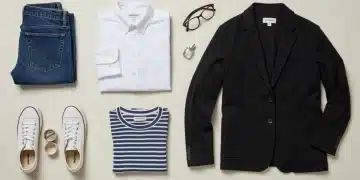
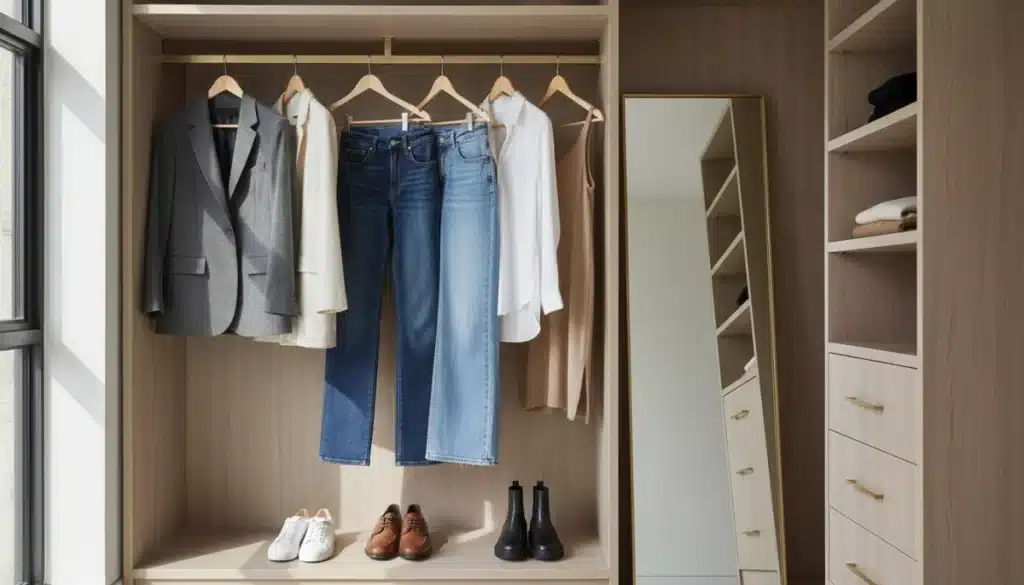
The first essential piece is a perfectly tailored blazer that transitions effortlessly from professional meetings to casual weekend outings. The second is a pair of premium denim jeans that flatter your body type while pairing with everything from sneakers to heels. Third, a crisp white button-down shirt serves as the ultimate layering piece and standalone statement.
Foundation Fabrics and Color Theory
Selecting pieces in coordinated colors maximizes mixing and matching potential. Neutral palettes including navy, charcoal, cream, and black create a cohesive wardrobe where every item complements others. This intentional approach to color selection is fundamental to maximizing your wardrobe efficiency.
Fabric choice significantly impacts longevity and versatility. Breathable natural fibers like cotton, linen, and wool offer comfort across seasons while maintaining their appearance through repeated wear. Investing in these quality materials ensures your wardrobe remains functional year after year.
Building Versatile Outfit Combinations
The true test of a well-curated wardrobe lies in its outfit potential. With the seven key pieces properly selected, you can create dozens of distinct looks without repeating combinations. This exponential increase in outfit options demonstrates the power of strategic wardrobe planning.
Layering techniques further expand your styling possibilities. A blazer worn over a t-shirt creates a casual yet polished look, while the same blazer layered over a button-down establishes professional authority. These simple variations multiply your options without requiring additional purchases.
Seasonal Adaptation Strategies
Adapting your core wardrobe for different seasons requires thoughtful accessory selection and layering pieces. Lightweight scarves, statement jewelry, and seasonal footwear transform base outfits into weather-appropriate ensembles. This adaptability ensures your investment pieces remain relevant throughout the year.
Storage and maintenance also play crucial roles in preserving wardrobe quality. Proper hanging techniques, seasonal rotation, and timely cleaning extend the life of each piece, contributing to the overall cost-saving equation. These practices protect your investments while maintaining their appearance and functionality.
Measuring Your Success
Tracking wardrobe utilization provides valuable insights into your purchasing habits and style preferences. Many consumers find that after implementing the seven-piece strategy, their clothing satisfaction increases while spending decreases. This measurable success reinforces the value of intentional wardrobe building.
The 30% cost-saving target becomes achievable when you eliminate impulse purchases and focus on intentional acquisitions. Instead of buying multiple items that serve limited purposes, you invest in pieces that serve multiple functions, effectively getting more value from every dollar spent.
Long-Term Financial Impact
Over time, the cumulative savings from reduced clothing purchases and extended item lifespans become substantial. Consumers who commit to this approach often report saving hundreds of dollars annually while enjoying greater wardrobe satisfaction. The financial benefits compound year after year.
Additionally, the environmental impact of reduced consumption aligns with growing sustainability concerns. By purchasing fewer but better items, you contribute to reduced fashion waste while building a more meaningful relationship with your clothing.
Implementation Tips for Beginners
Beginning your wardrobe transformation does not require an immediate complete overhaul. Start by assessing your current closet to identify gaps and redundancies. This honest evaluation reveals which pieces truly serve your lifestyle and which remain unworn.
Gradual replacement of worn items with quality alternatives allows you to build your ideal wardrobe without financial strain. Prioritize pieces that fill obvious gaps in your current collection, focusing on versatility and timeless style over fleeting trends.
Quality Indicators to Watch
Identifying well-made garments requires attention to construction details. Examine seams, buttons, and finishing touches before purchasing. Quality items feature reinforced stitching, securely attached hardware, and attention to detail that indicates craftsmanship rather than mass production.
Fabric weight and texture also signal quality. Heavier fabrics often indicate durability, while consistent coloring suggests proper dyeing techniques. These subtle indicators help you make informed decisions that pay dividends over time.
What Happens Now
As you implement these wardrobe strategies, expect a transition period as you adjust to more intentional purchasing habits. The initial investment in quality pieces pays dividends over months and years, creating a wardrobe that serves you reliably while protecting your financial goals.
The fashion landscape continues evolving toward more conscious consumption patterns. Brands increasingly offer sustainable, versatile options that align with wardrobe maximizing principles. This shift makes it easier than ever to build a collection that delivers style, function, and value.
Looking ahead, the principles of strategic wardrobe building will only grow more relevant as consumers seek alternatives to fast fashion’s environmental and financial costs. Embracing these practices positions you at the forefront of a more sustainable approach to personal style.