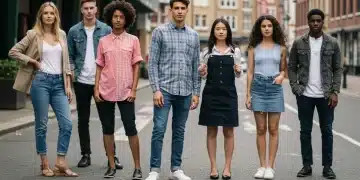
Upcycling Your Closet: 6 Creative Ways to Refresh Old Clothes for 2026
Advertisement
Six creative upcycling techniques transform outdated wardrobe pieces into 2026 fashion statement items. Sustainable fashion enthusiasts save 100% on new purchases through DIY refresh methods. Practical tips and trend-aligned strategies redefine closet curation.
Upcycling Your Closet: 6 Creative Ways to Refresh Old Clothes for 2026 Trends, Saving 100% on New Purchases
The fashion landscape in 2026 centers on sustainability, creativity, and smart spending. Upcycling Your Closet: 6 Creative Ways to Refresh Old Clothes for 2026 Trends, Saving 100% on New Purchases has become the guiding principle for budget-conscious consumers seeking style without excess. This approach transforms forgotten garments into contemporary pieces, reducing textile waste while refreshing personal style.
Recent data from the Ellen MacArthur Foundation indicates that circular fashion practices could reduce global fashion waste by 50% by 2030. Meanwhile, social media platforms report a 340% increase in upcycling-related content since 2024, signaling a cultural shift toward mindful consumption. Understanding these methods helps readers stay ahead of trends while making financially savvy decisions.
The Rise of Wardrobe Transformation
The concept of refreshing existing clothes rather than purchasing new items has gained substantial momentum in 2026. This movement responds to both environmental concerns and economic pressures affecting American households. Consumers increasingly recognize that their closets already contain potential—they need only vision and technique to unlock it.
Designers and influencers alike champion the upcycling movement, demonstrating that creativity outperforms consumption. The approach aligns perfectly with the growing demand for personalized fashion items that reflect individual style. Moreover, the satisfaction derived from wearing self-created pieces exceeds that of store-bought alternatives.
Advertisement
Why Upcycling Matters Now
The environmental impact of fast fashion remains a pressing concern. Textile production accounts for approximately 10% of global carbon emissions, and the average American discards about 81 pounds of clothing annually. Upcycling directly addresses these statistics by extending garment lifespans and reducing demand for new production.
Economic benefits compound the environmental advantages. Families can redirect funds previously spent on clothing toward savings, education, or experiences. The initial investment in basic supplies yields returns indefinitely, as skills improve and projects become more ambitious.
- Reduces textile waste entering landfills
- Saves significant money over time
- Creates unique, personalized wardrobe pieces
- Develops valuable creative skills
Technique One: Denim Reinvention
Old denim jeans and jackets serve as blank canvases for dramatic transformations. The durable fabric accepts various modifications, from embroidery and patchwork to dyeing and distressing. This versatility explains why denim remains the most commonly upcycled material among DIY enthusiasts.
Advertisement
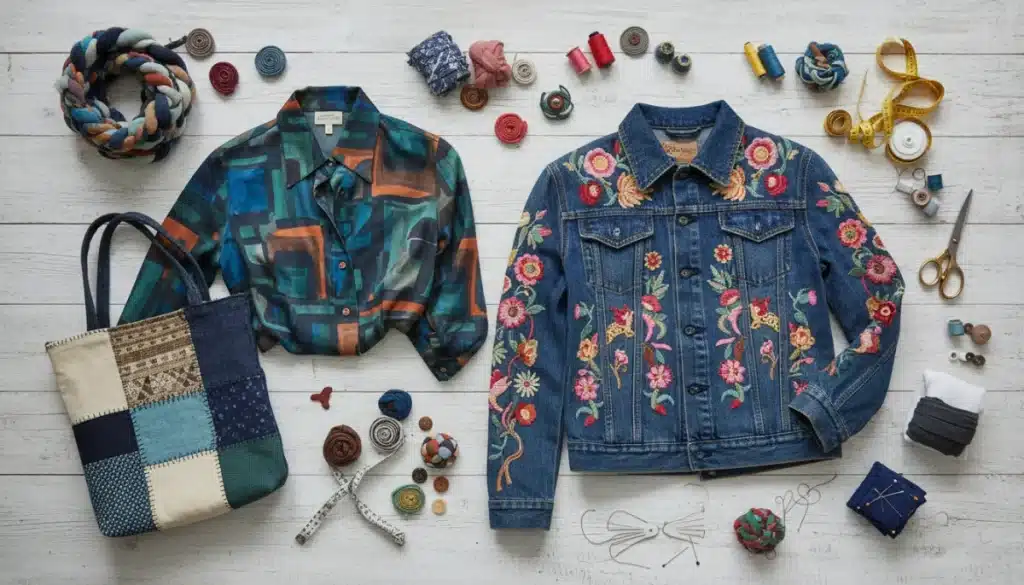
Popular 2026 transformations include converting straight-leg jeans into trendy wide-leg styles, adding embroidered wildflowers to jacket backs, and creating custom bags from discarded denim sections. These projects require minimal equipment—basic sewing skills, fabric scissors, and imagination suffice for most creations.
Step-by-Step Denim Refresh
Begin by assessing your denim inventory for items with good structural integrity. Focus on the waistband, pockets, and seams—these areas typically wear first but remain salvageable. Next, sketch your intended transformation, considering how the original construction can inform the new design.
For jeans modifications, cutting just above the knee allows conversion into trendy shorts or provides fabric for patches elsewhere. Adding embellishments like studs, patches, or fabric paint transforms plain garments into statement pieces. The key lies in embracing imperfections as character rather than flaws.
Technique Two: Tie-Dye and Fabric Painting
Fabric modification through dyes and paints offers instant transformation with minimal skill requirements. Modern fabric paints come in various finishes—metallic, glitter, and matte—enabling countless aesthetic possibilities. Tie-dye techniques have evolved beyond the traditional spiral, incorporating shibori methods and ice dyeing approaches.
This technique proves particularly effective for items showing signs of wear in visible areas. A faded black t-shirt becomes a vibrant artistic statement; stained white blouses transform into wearable art. The process costs a fraction of replacement prices while producing genuinely one-of-a-kind pieces.
Success with fabric modification requires proper preparation. Cleaning garments thoroughly removes oils and residues that prevent dye absorption. Testing colors on hidden areas first ensures satisfactory results. Allow adequate drying and setting time—usually 24 to 72 hours—before wearing or washing modified items.
Technique Three: Accessory Creation from Remnants
Small fabric scraps and old clothing remnants often get discarded despite their potential value. These materials convert beautifully into accessories including headbands, scrunchies, tote bags, and jewelry components. This approach maximizes material usage while creating cohesive wardrobe additions.
The rise of cottagecore and maximalist aesthetics in 2026 has increased demand for unique accessories. Handmade items carry inherent value that mass-produced alternatives cannot match. Additionally, matching accessories created from the same fabric as transformed garments create intentional, curated looks.
Crafting Practical Accessories
Tote bags represent the most accessible entry point for accessory upcycling. A single large shirt can yield two or three shopping bags, eliminating need for plastic alternatives. Scrunchies require minimal fabric—even sleeve cuffs suffice—making them ideal for small remnant pieces.
More advanced creators attempt patchwork accessories, combining various fabric types into visually interesting compositions. This technique works exceptionally well with vintage fabrics or items carrying sentimental value. The resulting pieces become heirlooms rather than disposable fashion items.
Technique Four: Silhouette Redefinition
Sometimes clothing needs fundamental structural changes rather than surface modifications. Taking in waistlines, shortening hems, or removing sleeves fundamentally alters garment silhouettes. These adjustments respond to changing body shapes, evolving style preferences, or simply restoring fit after weight fluctuations.
Professional alterations cost significant money, but basic modifications fall within reach of patient DIYers. YouTube tutorials provide step-by-step guidance for common adjustments. Starting with inexpensive items builds confidence before attempting modifications on more valuable pieces.
The 2026 fashion climate embraces non-traditional silhouettes—oversized blazers, asymmetric hems, and unexpected proportions. These trends actually facilitate upcycling, as original construction details often contribute positively to transformed designs. A boxy shirt becomes a contemporary cropped jacket; wide-leg pants transform into statement palazzo styles.
Technique Five: Layering and Combination
Combining multiple garments creates entirely new pieces while addressing wardrobe gaps. A favorite strategy involves attaching sleeves from one jacket to another, creating hybrid outerwear impossible to purchase anywhere. Similarly, combining shirt fronts with sweater backs produces unique layered looks.
This technique proves particularly valuable for items with sentimental value—a father’s old button-down gains new life when paired with a modern cardigan back. The resulting piece carries emotional significance while meeting contemporary style standards.
Strategic Combination Approaches
Successful combinations require careful planning around color compatibility, fabric weight, and construction method. Lightweight fabrics layer effectively; heavy materials may create bulk. Testing combinations with pins before permanent attachment prevents costly mistakes.
Consider functionality alongside aesthetics. Pockets from original garments should remain accessible in transformed pieces. Zippers and buttons might require replacement, but these small investments yield significant returns in wearability.
Technique Six: Visible Mending as Art
The Japanese technique of visible mending—particularly sashiko and boro—has migrated from artistic circles into mainstream fashion. Rather than hiding repairs, this approach celebrates them as integral design elements. The philosophy aligns perfectly with sustainable fashion principles, transforming damage into decoration.
Visible mending suits various damage types: holes, tears, thinning areas, and stains. Even beginners achieve beautiful results through simple running stitches in contrasting thread. More advanced practitioners incorporate embroidery, applique, and fabric additions.
This technique resonates particularly well with 2026’s emphasis on authenticity and anti-waste aesthetics. Visible repairs signal intentionality and care—qualities increasingly valued in a world of disposable fashion. The resulting garments tell stories, accumulating additional meaning with each wear and repair.
What Happens Now
The movement toward wardrobe upcycling reflects broader societal shifts toward sustainability and intentional consumption. As skills develop and confidence grows, practitioners often discover that shopping for new items becomes unnecessary. Their closets transform from repositories of forgotten clothes into curated collections of meaningful pieces.
Communities formed around upcycling share knowledge, trade techniques, and celebrate transformations together. Local workshops, online forums, and social media groups provide ongoing education and inspiration. This communal aspect enhances the individual practice, creating connections through shared values.
The future points toward increased adoption as economic pressures persist and environmental awareness grows. Those who master these techniques now position themselves at the forefront of a fashion revolution—one that prioritizes creativity over consumption, sustainability over waste, and meaning over mere trend-following. The closet transformation journey begins with a single project and continues indefinitely, limited only by imagination.