WIC Benefits in 2026: Recent Updates and How to Maximize Your Support
Advertisement
The Special Supplemental Nutrition Program for Women, Infants, and Children (WIC) introduces significant updates for 2026, including expanded eligibility criteria, increased monthly benefits, and new online shopping options. Families can now access up to $100 more per month in food assistance, with streamlined application processes designed to reduce barriers to enrollment.
WIC Benefits in 2026: Recent Updates and How to Maximize Your Support
The Special Supplemental Nutrition Program for Women, Infants, and Children enters 2026 with its most substantial changes in over a decade. These modifications aim to address rising food costs while simplifying participation for millions of eligible families across the United States.
As economic pressures continue to affect household budgets, the program adjustments arrives at a critical moment. Understanding these changes can help families access maximum support and navigate the application process more efficiently.
Key Changes to WIC Benefits in 2026
The 2026 updates represent a comprehensive overhaul designed to expand access and increase the value of benefits. Monthly food packages have been redesigned to reflect current nutritional guidelines and inflation-adjusted pricing.
Participants now receive enhanced cash value vouchers for fruits and vegetables, with amounts varying by participant category. Women receive approximately $35 monthly for produce, while children qualify for $25 and infants for $15 in fresh produce benefits.
Advertisement
Expanded Income Eligibility Thresholds
One of the most significant changes involves adjusted income guidelines that reflect updated federal poverty levels. Families earning up to 200% of the federal poverty level now qualify in most states, a substantial increase from the previous 185% threshold.
This expansion means approximately 500,000 additional families become eligible for WIC benefits in 2026. Working families who previously exceeded income limits may now qualify, particularly those in high-cost-of-living areas.
- Individual applicants: income up to $30,120 annually
- Two-person household: up to $40,880
- Three-person household: up to $51,640
- Each additional person: approximately $10,760
New Online and Mobile Features
Digital transformation continues reshaping how families interact with WIC benefits. The 2026 updates include expanded online shopping capabilities and improved mobile applications that streamline benefit management.
Advertisement
Participants in all 50 states can now purchase WIC-approved items through participating online retailers. This option eliminates transportation barriers and provides greater flexibility for working parents juggling multiple responsibilities.
How Digital Tools Enhance User Experience
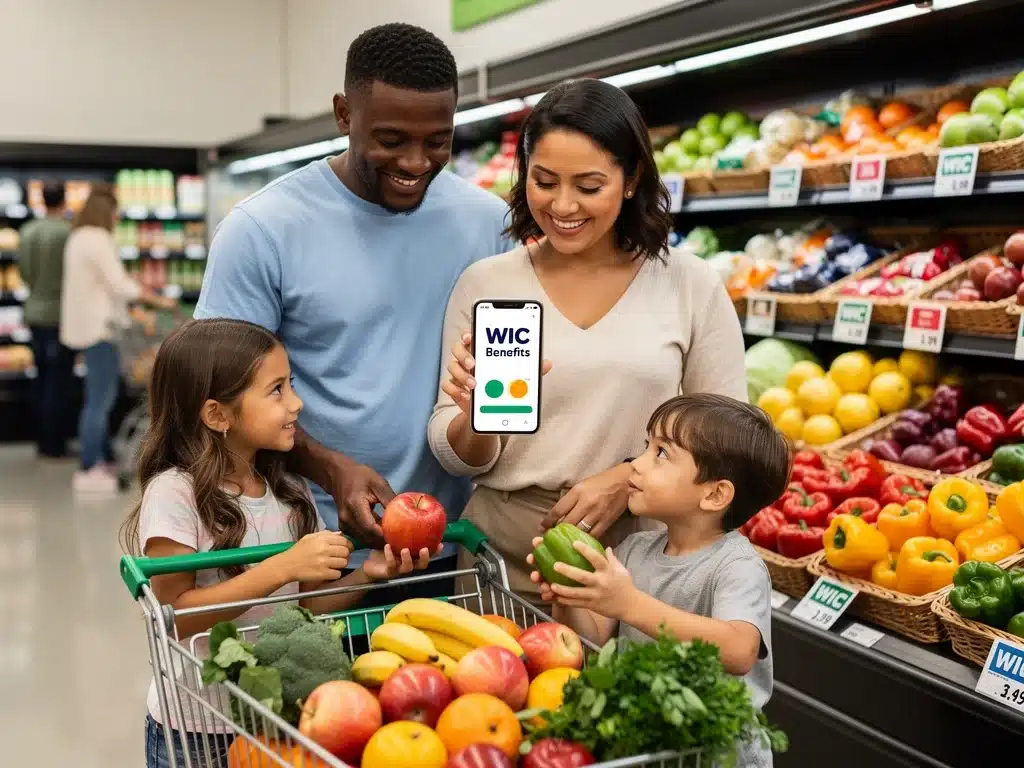
The redesigned WIC mobile application allows participants to check balances, locate authorized retailers, and access nutrition education resources from their smartphones. Push notifications remind users about expiring benefits and upcoming appointments.
Many local WIC offices now offer telehealth appointments for certification renewals, reducing the need for in-person visits. This change particularly benefits families living in rural areas or those with scheduling constraints.
Maximizing Your WIC Benefits
Understanding program nuances helps families extract maximum value from their WIC benefits. Strategic approaches to shopping and benefit utilization can significantly impact household nutrition and food security.
Participants should regularly review approved food lists, as item selections change based on seasonal availability and nutritional recommendations. Exploring different brands and store options can reveal better deals and expanded selections.
Strategic Shopping Tips
Planning meals around WIC-approved items ensures benefits are used effectively before expiration dates. Many participants find success by combining WIC purchases with sales and coupons at authorized retailers.
Community partnerships often provide additional resources beyond standard benefits. Some local organizations offer supplementary food distribution or nutrition workshops exclusively for WIC participants.
- Check expiration dates on benefits monthly
- Compare prices across authorized retailers
- Use cash value vouchers for seasonal produce
- Combine benefits with store loyalty programs
Nutrition Education and Support Services
Beyond food benefits, WIC provides comprehensive nutrition education and breastfeeding support. These services complement the financial assistance by helping families make informed dietary choices.
Registered dietitians offer personalized counseling through local WIC offices, addressing concerns about infant feeding, childhood nutrition, and maternal dietary needs. Group classes cover topics ranging from meal planning to reading nutrition labels.
Breastfeeding Promotion and Resources
The 2026 enhancements include expanded breastfeeding support, with more lactation consultants available through WIC partnerships. Peer counseling programs connect new mothers with experienced breastfeeding supporters in their communities.
Participants who breastfeed exclusively may qualify for extended benefits and additional food packages. The program recognizes breastfeeding as the optimal infant feeding method and provides substantial support to encourage success.
Application Process and Documentation
Navigating the WIC application requires understanding eligibility requirements and gathering necessary documentation. The process has become more streamlined, with many states offering online pre-applications.
Applicants must meet categorical requirements, being pregnant, postpartum, breastfeeding, or having children under five. Income verification and residency documentation remain mandatory, though acceptable documentation has expanded.
Required Documentation
Bringing proper documentation expedites the certification process. Most WIC offices accept various forms of identification and income verification, providing flexibility for families with non-traditional documentation situations.
Applicants should bring identification for themselves and their children, proof of income from the past 30 days, and documentation of address. Immunization records can serve as additional identification for children.
- Government-issued photo identification
- Proof of income (pay stubs, tax returns)
- Residency documentation
- Birth certificates for all applicants
What Happens Next
The 2026 WIC updates reflect ongoing federal commitment to maternal and child nutrition. As program administrators gather data on implementation effectiveness, additional refinements are anticipated in coming years.
Families currently receiving WIC benefits should contact their local offices to understand how changes affect their specific situations. New applicants can begin the process through state WIC websites or by visiting local certification offices.
The program’s evolution responds to changing economic conditions and nutritional science. Staying informed about updates ensures families continue receiving maximum support as the program develops.